
Explore Continuous Professional Development for NDIS Provider Workshops
Workshops Crafted for NDIS Providers
At Skill Succession Expert, we offer specialized professional development for NDIS and disability service providers, ensuring your team stays current with continuous professional development (CPD) requirements. Our tailored programs are designed to support the ongoing growth and effectiveness of your staff, helping them deliver the highest quality care.
We understand the unique challenges faced by the healthcare sector and are dedicated to providing customized solutions that meet your specific needs. Our expert-led sessions ensure compliance with the latest CPD standards, fostering a culture of excellence within your organization.
Partner with Skill Succession Expert to create a comprehensive, tailored professional development plan that enhances your team’s skills and keeps your business at the forefront of the industry.
Note: Preferred duration for workshops can be 1-2 hours or half a day.
Share Workshops:

Our Workshops

Understanding Disabilities: Staff Orientation
Learning Modules:
- Types of disabilities (physical, intellectual, sensory, etc.)
- Impact of disabilities on daily life
- Promoting disability awareness and sensitivity
Benefits of This Workshop
- Enhanced Client Support: Improved understanding of disabilities leads to more personalized and effective support services for clients.
- Compliance and Ethical Standards: Better adherence to legal and ethical standards in disability support, ensuring quality care and service delivery.
- Empathy and Communication: Development of empathy and effective communication skills fosters stronger relationships and trust with clients, enhancing overall care outcomes.
Person-Centred Support : Enhancing Individual Care
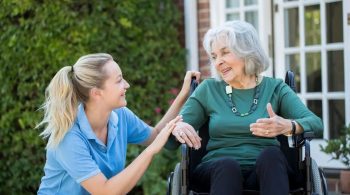
Learning Modules:
- Developing individualized support plans
- Respecting personal preferences and choices
- Encouraging independence and self-advocacy
Benefits of This Workshop
- Enhanced Client Satisfaction: Implementing person-centered support ensures services are tailored to individual needs, increasing client satisfaction and empowerment.
- Improved Quality of Life: Focusing on individual preferences and goals enhances overall well-being and quality of life for clients.
- Effective Collaboration: Promotes collaborative decision-making between providers, clients, and their support networks, fostering a supportive and inclusive environment.
Effective Communication in Disability Services

Learning Modules:
- Communication strategies for non-verbal individuals
- Use of assistive communication devices and technology
- Techniques for clear and respectful communication
Benefits of This Workshop
- Enhanced Client Understanding: Improved communication skills help providers better understand and respond to client needs, fostering trust and collaboration.
- Clearer Information Exchange: Effective communication ensures accurate information exchange between providers, clients, and stakeholders, reducing misunderstandings and enhancing service delivery.
- Improved Team Collaboration: Strong communication skills promote teamwork and collaboration among providers, enhancing coordination of care and support for clients.
Behaviour Support Strategies for Positive Outcomes

Learning Modules:
- Understanding and managing challenging behaviours
- Positive behaviour support strategies
- De-escalation techniques and crisis intervention
Benefits of This Workshop
- Improved Client Outcomes: Enhanced understanding and skills in behaviour support lead to better management of challenging behaviours, improving client well-being and outcomes.
- Effective Intervention Strategies: Training in behaviour support equips providers with effective intervention strategies, promoting positive behaviour change and reducing incidents.
- Empowerment and Independence: Supporting clients with behaviour challenges fosters their empowerment and independence, enhancing their participation and integration within their communities
Health and Safety Protocols in Disability Care

Learning Modules:
- Infection control and hygiene practices
- Safe administration of medications
- Emergency response and first aid
Benefits of This Workshop
- Enhanced Client Well-being: Improved knowledge and practices in health and safety lead to a safer environment for clients, promoting their overall well-being and security.
- Reduced Risks: Training in health and safety protocols helps providers identify and mitigate risks effectively, reducing incidents and ensuring a safer workplace.
- Compliance and Confidence: Enhanced understanding of health and safety regulations ensures compliance with standards, boosting provider confidence and professionalism in delivering care.
Personal Care and Support Excellence
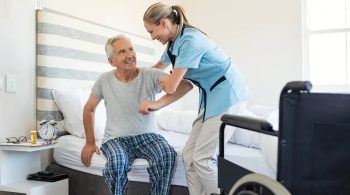
Learning Modules:
- Assisting with activities of daily living (ADLs)
- Proper lifting and transferring techniques
- Supporting personal hygiene and grooming
Benefits of This Workshop
- Improved Client Independence: Training in personal care enhances providers’ ability to support clients in daily activities, promoting independence and autonomy.
- Enhanced Care Quality: Better understanding and skills in personal care lead to higher-quality support services, improving overall client health and well-being.
- Client Satisfaction: Increased competency in personal care enhances client satisfaction by meeting their individual needs with dignity and respect, fostering positive relationships.
Mental Health Awareness
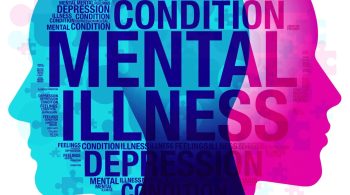
Learning Modules:
- Recognizing signs of mental health issues
- Providing emotional support and counselling resources
- Accessing mental health services and referrals
Benefits of This Workshop
- Improved Support Provision: Enhanced awareness and understanding of mental health issues enable providers to offer more effective support and interventions for clients.
- Reduced Stigma: Training in mental health awareness helps reduce stigma surrounding mental illness, fostering a more supportive and inclusive environment for clients.
- Early Detection and Intervention: Improved knowledge allows providers to recognize early signs of mental health challenges, enabling timely intervention and support for clients’ mental well-being
Cultural Competency and Disability Care

Learning Modules:
- Understanding and respecting cultural and linguistic diversity
- Providing culturally appropriate support
- Overcoming language and cultural barriers
Benefits of This Workshop
- Enhanced Understanding and Respect: Improved cultural competency fosters understanding and respect for diverse cultural backgrounds among providers, promoting inclusive care practices.
- Effective Communication: Training in cultural competency enhances communication skills across cultural differences, improving rapport and trust with clients and their families.
- Tailored Support Services: Cultural competency allows providers to deliver more personalized and effective support services that respect and align with clients’ cultural values and preferences
Legal, Ethical dilemmas and Resolutions

Learning Modules:
- Understanding the rights of individuals with disabilities
- Ethical decision-making in disability support
- Mandatory reporting and safeguarding procedures
Benefits of This Workshop
- Compliance Assurance: Enhanced knowledge of legal and ethical standards ensures providers adhere to regulatory requirements, minimizing legal risks and liabilities.
- Ethical Decision-Making: Training in ethical issues equips providers with frameworks for making sound ethical decisions, promoting client welfare and rights protection.
- Improved Professionalism: Understanding legal and ethical considerations enhances provider professionalism and trustworthiness, reinforcing organizational integrity and client confidence
Advocacy and Empowerment

Learning Modules:
- Supporting self-advocacy and decision-making
- Empowering individuals to participate in their communities
- Promoting social inclusion and access to services
Benefits of This Workshop
- Enhanced Client Empowerment: Training in advocacy equips providers with skills to empower clients to voice their needs and preferences, promoting self-advocacy and independence.
- Effective Support Navigation: Providers learn to navigate systems and resources effectively on behalf of clients, ensuring they receive appropriate support and services.
- Promotion of Rights and Equality: Advocacy training reinforces providers’ role in promoting client rights, equality, and inclusion within the community, fostering a more supportive and inclusive society.
Technology Integration in Disability Support

Learning Modules:
- Using assistive technologies to enhance independence
- Training on electronic support management systems
- Staying updated with technological advancements in the sector
Benefits of This Workshop
- Enhanced Service Delivery: Integration of technology enhances service delivery efficiency and effectiveness, improving client outcomes and satisfaction.
- Increased Independence: Technology solutions promote client independence through assistive devices and applications, fostering greater autonomy in daily activities.
- Improved Communication and Coordination: Utilizing technology improves communication and coordination among providers, clients, and support networks, enhancing collaboration and continuity of care
Documentation and Reporting Standards

Learning Modules:
- Accurate and timely documentation of support provided
- Reporting incidents and changes in condition
- Documenting client information and reporting
Benefits of This Workshop
- Improved Service Coordination: Enhanced skills in documentation and reporting facilitate clearer communication and coordination among providers, ensuring comprehensive care for clients.
- Enhanced Accountability: Training in documentation promotes accuracy and completeness in records, ensuring compliance with regulatory standards and promoting accountability.
- Effective Decision-Making: Access to well-documented information supports informed decision-making by providers, leading to better client outcomes and continuity of care.
Teamwork and Collaboration

Learning Modules:
- Building effective support teams
- Conflict resolution and problem-solving
- Coordination of care with other service providers
Benefits of This Workshop
- Improved Care Coordination: Enhanced teamwork skills facilitate better coordination among providers, ensuring holistic and integrated care for clients.
- Enhanced Communication: Training in teamwork improves communication skills among team members, fostering clearer information exchange and reducing misunderstandings.
- Effective Problem-Solving: Collaboration promotes sharing of ideas and perspectives, enhancing problem-solving abilities and innovation in client care strategies.
Community Integration strategies for participants

Learning Modules:
- Facilitating community participation and social activities
- Supporting accss to education, employment, and recreational opportunities
- Navigating transportation and accessibility issues
Benefits of This Workshop
- Enhanced Social Inclusion: Training promotes strategies to support clients in participating actively within their communities, fostering social connections and reducing isolation.
- Collaborative Partnerships: Providers learn to collaborate with community organizations and stakeholders, enhancing support networks and resources available to clients.
- Improved Quality of Life: Integration into community activities and resources enhances clients’ overall well-being and quality of life, promoting independence and fulfilment
Effective Shift Note Writing Practices

Learning Modules:
- Understanding the Fundamentals of Shift Note Writing
- Best Practices and Techniques for Clear and Concise Documentation
- Legal and Compliance Requirements in Shift Note Writing for NDIS Providers
Benefits of This Workshop
- Improved Communication and Documentation Accuracy: Enhance the ability to document client interactions and care details clearly and accurately, ensuring that all team members have access to essential information.
- Compliance with NDIS Standards: Gain a thorough understanding of the legal and regulatory requirements for shift note writing, reducing the risk of non-compliance and potential legal issues.
- Enhanced Client Care and Continuity: Ensure that shift notes effectively capture important client information, leading to better continuity of care and improved outcomes for clients under the NDIS.
Kitchen Hygiene and Food Preparation Standards

Learning Modules:
- Fundamentals of Kitchen Hygiene for NDIS Providers
- Safe and Nutritious Food Preparation Techniques
- Compliance with Food Safety Standards in NDIS Settings
Benefits of This Workshop
- Reduced Risk of Foodborne Illnesses: By understanding and implementing proper kitchen hygiene and food preparation techniques, NDIS providers can significantly minimize the risk of foodborne illnesses among clients.
- Enhanced Nutrition and Well-being: Improved knowledge of safe and nutritious food preparation ensures that clients receive meals that are not only safe but also contribute to their overall health and well-being.
- Compliance with Regulatory Standards: NDIS providers will be equipped to meet and exceed food safety and hygiene standards, ensuring adherence to regulatory requirements and fostering a safe environment for clients.
Who can ENROLL?
Skill Succession Expert specializes in professional development for NDIS and disability service providers, ensuring your team stays compliant with continuous professional development (CPD) requirements.
Target Audience: NDIS and disability service providers, healthcare administrators, and support staff.
Why Us?

CPD Compliance:
Ensure your team meets continuous professional development (CPD) requirements.
High-Quality Care:
Equip your staff to deliver the highest quality care through expert-led sessions.
Tailored Plans:
Receive customized professional development plans that support your specific business needs.
Industry Expertise:
Leverage our extensive experience and knowledge in the healthcare sector.